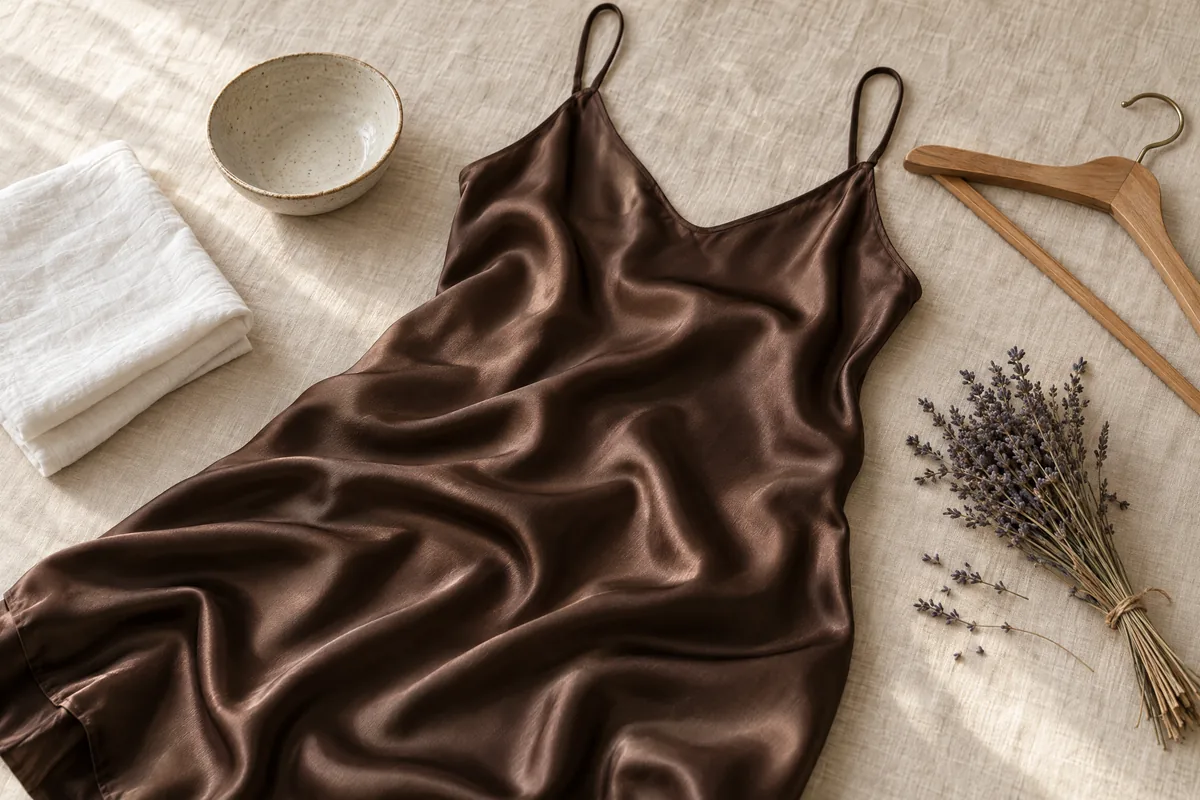
Knowing how to wash delicate clothing is one of the simplest ways to keep favorite pieces looking polished longer. Lightweight knits, soft blouses, lace trims, satin finishes, and special-occasion dresses can all benefit from a slower, more intentional routine than everyday laundry.
The good news is that delicate care does not have to be complicated. Once you understand the care label, separate fabrics thoughtfully, and use the right water temperature and drying method, you can clean more clothing at home with confidence.
How to wash delicate clothing: Start with the care label
Before you reach for detergent, read the garment’s care label from top to bottom. It tells you whether a piece can be machine washed, should be hand washed, needs professional cleaning, or can only be spot treated. When the label says “dry clean only,” do not treat a delicate-cycle setting as permission to machine wash; follow the label to protect the fabric, lining, shape, and embellishments.
For pieces labeled “hand wash” or “machine wash gentle,” look beyond the main instruction. Notes about cold water, no bleach, low heat, or drying flat matter just as much. This first check is the foundation of how to wash delicate clothing safely, especially for textured tops and blouses, fine knits, and garments with details that can snag.
If you are unsure how a fabric will react, test an inconspicuous inside area with a drop of water and a small amount of mild detergent. Watch for dye transfer, water marks, texture changes, or discoloration before cleaning the whole garment. When in doubt, choose the gentlest method and avoid heat.
How to wash delicate clothing by sorting fabrics and colors
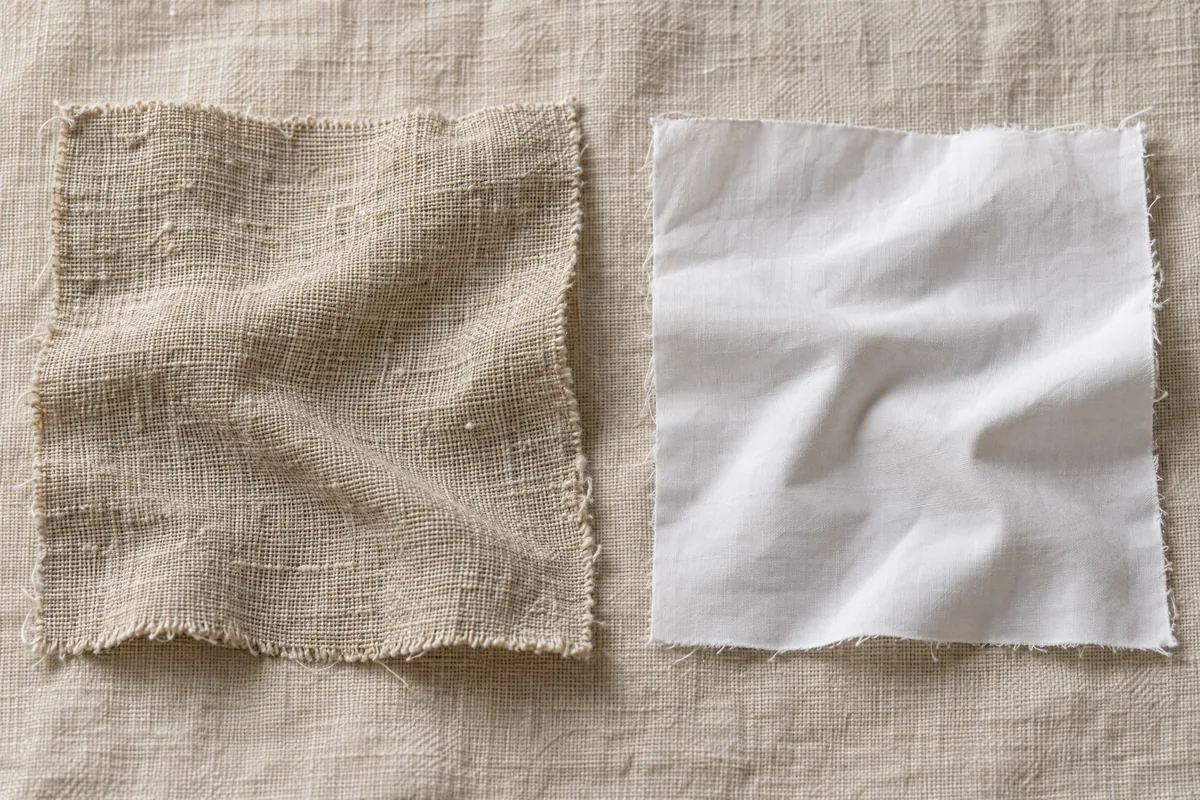
Sorting is not just about separating lights from darks. Sort delicate loads by color, fabric weight, and construction, so a light chiffon blouse is not rubbing against a heavy zipper or a pair of denim. Keeping similarly delicate pieces together reduces friction, pilling, stretching, and accidental pulls during the wash.
Set aside items with hooks, buckles, rough trims, or loose hardware, and close any fasteners before laundering. Turn garments inside out to reduce surface abrasion and help preserve color. This approach to how to wash delicate clothing is especially useful when cleaning a mixed wardrobe of airy dresses, soft sweaters, and lined pieces.
Treat stains before washing, but use a light hand. Dab a small amount of gentle detergent onto the stained area, let it sit briefly, then rinse or wash according to the label. Avoid aggressive rubbing, which can roughen silk-like finishes, thin jersey, lace, and delicate embroidery.
- Wash white or pale delicate items separately from deep or saturated colors that may bleed.
- Keep heavy jeans and denim out of a delicate load, even when the denim is turned inside out.
- Fasten hooks, snaps, and zippers so they cannot catch lace, mesh, or lightweight woven fabric.
- Separate fuzzy knits from smooth fabrics because lint and surface friction can leave them looking worn.
- Wash one richly colored new garment alone the first time if you are concerned about excess dye.
Choose water, detergent, and tools before you begin
Cold water is usually the safest default for delicate laundry because it is less likely to fade color, shrink fibers, or weaken stretchy components. Use cool water for most washable silk-like fabrics, fine synthetics, lingerie, lightweight wool blends, and garments with bright dyes. Warm water may be acceptable only when the label specifically allows it.
Choose a mild detergent and use less than you would for a large regular load. Too much soap can be hard to rinse from fine fibers, leaving a dull finish or stiff feel. Skip chlorine bleach on delicate fabrics unless the care label explicitly permits it, and be cautious with strong stain removers, fabric softeners, and scent boosters.
A clean basin, soft towel, and clean drying surface are the basic tools for hand washing delicate fabrics. For machine-safe items, a zippered mesh bag provides an extra layer of protection. These small choices make how to wash delicate clothing more predictable and help prevent avoidable damage before the cycle even begins.
How to wash delicate clothing in the machine: a delicate cycle guide
A delicate cycle can be a smart option for machine-washable pieces, but it works best when the load is small and carefully prepared. Choose cold water, low spin, and the shortest gentle setting your machine offers. A crowded drum causes garments to twist and rub, while a small load gives fabric room to move without unnecessary stress.
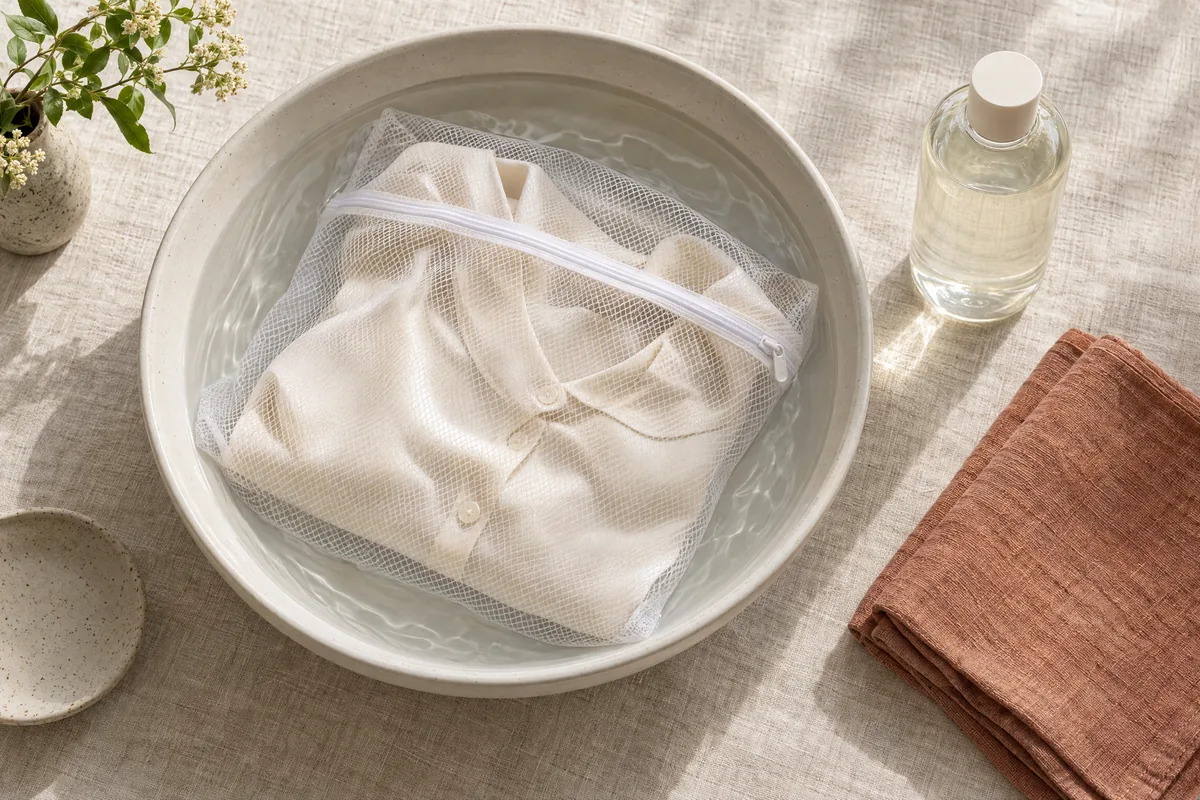
This delicate cycle guide begins with one essential habit: place each lightweight or snag-prone item in a properly sized mesh bag. Do not pack the bag tightly; fabric needs room to move through the water and rinse cleanly. Close the bag fully, then check that no straps, sleeves, or ties are caught in the zipper.
Use the gentle cycle only for items whose labels allow machine washing. It is not a substitute for hand washing delicate fabrics that are exceptionally sheer, beaded, loosely knitted, or prone to losing shape. Understanding that distinction is a key part of how to wash delicate clothing without turning a convenient cycle into a costly mistake.
- Use one garment per mesh bag when possible, particularly for bras, lace pieces, and thin sweaters.
- Choose a bag that leaves extra room around the garment instead of folding or cramming it inside.
- Wash delicate items with other lightweight pieces rather than towels, structured jackets, or garments with metal hardware.
- Remove pieces promptly when the cycle ends to limit wrinkles, dye transfer, and stretched areas.
- Inspect the garment before drying, since remaining marks are easier to address before heat or prolonged air drying sets them in.
Hand washing delicate fabrics without stretching or fading
Hand washing delicate fabrics gives you the most control over movement, water temperature, and rinsing. Fill a clean sink or basin with cool water first, then mix in a small amount of mild detergent. Adding detergent after the garment is submerged can leave concentrated residue on the fabric, so stir it into the water before placing the item inside.
Lower the garment into the water and gently press it beneath the surface. Let it soak for a few minutes, then softly swish the water with your hands; do not scrub, twist, or wring. For a spot that needs extra attention, support the fabric with one hand and lightly work the area with the other.
Drain the soapy water and refill the basin with cool, clean water for rinsing. Press the garment gently to release soap, repeating with fresh water as needed. This is how to wash delicate clothing by hand while preserving stretch, drape, and surface texture on favorite dresses and refined everyday pieces.
Dry, reshape, and store delicate pieces for longer wear
Drying is where many otherwise successful laundry routines go wrong. Never wring a delicate garment, even if it feels heavy with water. Instead, lift it with both hands, lay it flat on a clean towel, roll the towel gently, and press to absorb moisture without distorting the fabric.
Reshape knits and items with stretch while they are damp, then dry them flat on a fresh towel or drying rack. Hanging wet sweaters can pull the shoulders and body out of shape, while direct sun can fade color. For lightweight woven garments that the label permits you to hang, use a padded hanger and keep them away from strong heat sources.
Once dry, fold delicate knits rather than hanging them for long periods, and store embellished pieces where they will not catch on rough fabric or hardware. Clean clothes before putting them away, since body oils, fragrance, and unnoticed stains can become harder to remove over time. A careful finish to how to wash delicate clothing helps your wardrobe stay ready for repeat wear, whether you are styling soft sweaters and knits or reaching for a favorite skirt.
- Dry dark and brightly colored items away from direct sunlight to help preserve their color.
- Lay sweaters flat and gently align seams, cuffs, and hems before they dry.
- Use a clean white towel for drying so lint or dye from the towel does not transfer to the garment.
- Wait until every layer is fully dry before folding or storing a lined piece to prevent trapped moisture and odor.
- Check straps, lace edges, and seams after drying, then make small repairs promptly before the damage spreads.
Where to go from here
Learning how to wash delicate clothing is less about buying complicated products and more about slowing down at the right moments. Read the label, sort with care, use cool water and mild detergent, then choose a low-friction wash and a no-heat drying method.
With these habits in place, delicate pieces can remain comfortable, beautiful, and easy to style season after season. Explore Shop All for wardrobe pieces worth caring for, and return to this guide whenever a care label leaves you deciding between the sink and the machine.