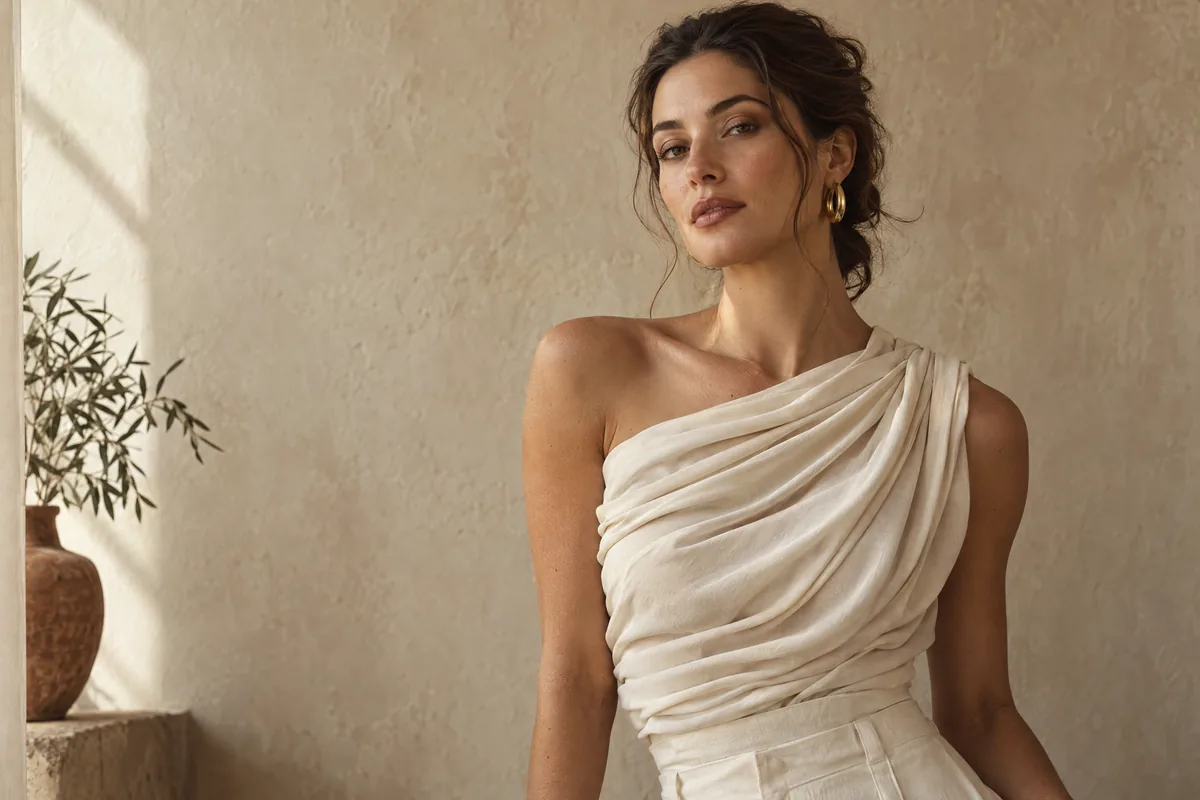
The best petite styling tips are not about following a long list of rules or hiding your height. They are about creating clear proportions, choosing intentional lengths, and making sure your clothes support the way you want to move through the day.
If you have ever loved an outfit on the hanger but felt overwhelmed once it was on, start with scale and fit. This guide breaks down how to dress petite with practical choices that can make everyday looks feel more balanced, modern, and distinctly yours.
Start With Petite Styling Tips for Better Proportions
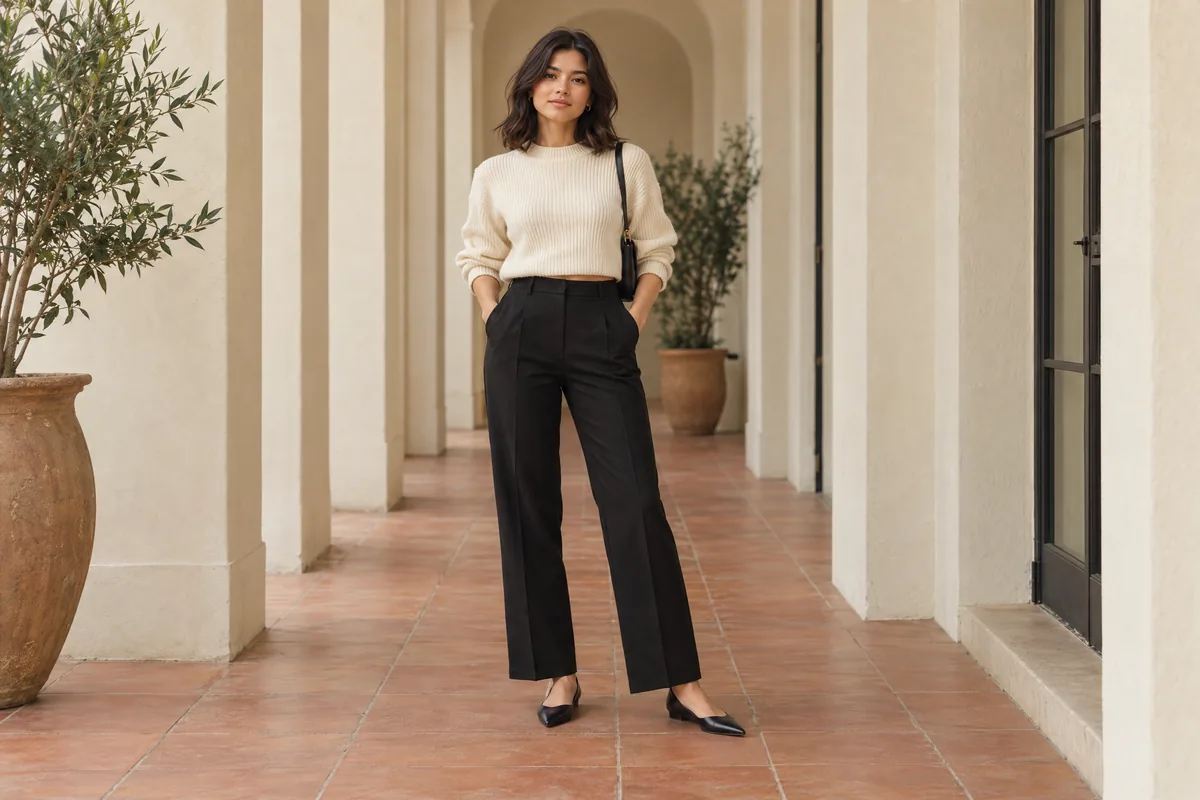
Proportion is the foundation of a strong petite outfit. Rather than trying to look taller at all costs, create a clean visual line from shoulder to shoe and avoid letting one oversized element take over the entire look. A defined waist, a purposeful hem, or an open neckline can do more for balance than a closet full of complicated tricks.
Think in thirds when you build an outfit. A shorter top with high-rise bottoms, a tucked blouse with a midi skirt, or a cropped jacket over a dress can create distinct sections without cutting your frame in an awkward place. These petite styling tips are especially helpful when an outfit feels “fine” but not quite finished.
Fit matters more than the number on a tag. Shoulder seams should sit close to your natural shoulder, sleeves should not swallow your hands, and pant hems should look chosen rather than accidental. A small alteration can turn a piece you like into one you reach for regularly.
- Choose high-rise pants or skirts when you want to visually lengthen the lower half of your outfit.
- Tuck, half-tuck, or knot a top when its length covers the point where your waist naturally sits.
- Keep the strongest color contrast away from the middle of your body if you want a longer, uninterrupted line.
- Look for vertical details such as center seams, button plackets, pressed creases, or a long open neckline.
- Balance a roomy top with a slimmer bottom, or pair relaxed pants with a more fitted top rather than wearing volume everywhere.
Use Petite Styling Tips to Choose Dresses and Skirts
Dresses simplify the question of how to dress petite because they create one continuous column of color or print. The key is choosing shapes that acknowledge your waist and hems that land with intention. Wrap silhouettes, fit-and-flare shapes, and dresses with seams near the natural waist are often easy starting points.
For everyday wear, browse our dress collection with an eye toward necklines, waist placement, and hem length before focusing on trends. A V-neck, square neck, or open scoop can add breathing room near the face, while a belt or built-in waist seam keeps the silhouette from becoming shapeless.
Skirts work beautifully when the top and skirt relationship is clear. A high-waist pencil, A-line, or slip skirt paired with a tucked-in knit can lengthen the leg line, while an overly long untucked top can make the same skirt feel heavier. Among the most reliable proportion tips for short women is to let the waistband remain visible.
Midi lengths are not off limits; the exact stopping point is what counts. Try a midi that ends at a narrower part of the calf, or pair it with a shoe that leaves some ankle visible. If a skirt hits at the widest point of your calf and feels visually heavy, a slight hem adjustment can change everything.
- Choose a dress with a visible waist seam, wrap detail, tie, or belt when you want more shape.
- Wear a cropped cardigan or jacket with a fit-and-flare dress instead of a long layer that hides the waist.
- Pair a midi skirt with a fitted tee or fine-gauge knit tucked into the waistband.
- Select smaller-to-medium prints when a large print feels like it overwhelms your frame.
- Test skirt lengths while wearing the shoes you expect to wear most often with them.
Build Length With Pants, Jeans, and Jumpsuits
Well-fitting pants can be some of the most effective petite fashion advice in practice. Prioritize the rise first: a high rise usually makes the leg line look longer, while a very low rise can visually shorten the lower half. Then check the inseam so fabric does not puddle at the ankle or bunch over the shoe.
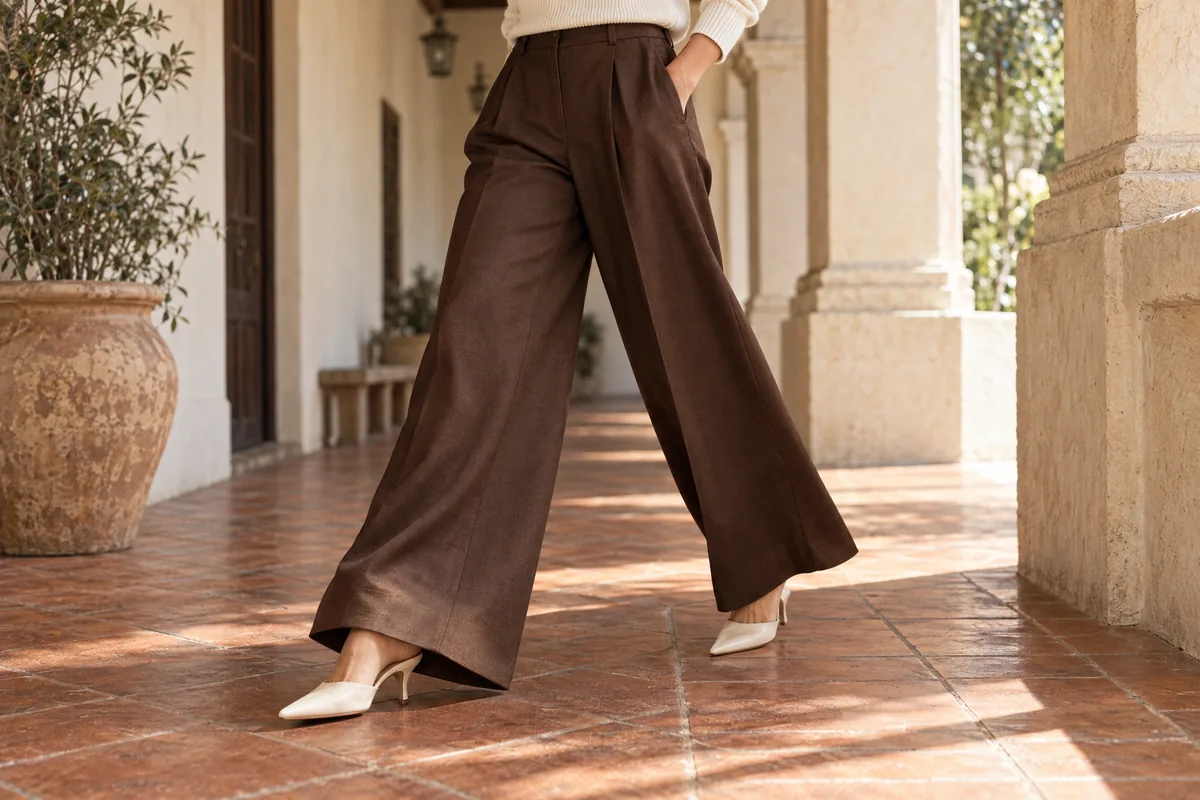
Straight-leg, slim-straight, bootcut, and wide-leg styles can all work, but each needs the right hem and top. A full-length wide leg looks sleek when it nearly skims the top of the shoe and is paired with a closer-fitting or tucked-in top. A cropped straight leg looks crisp when it ends above the ankle rather than at a random point on the calf.
Explore pants and trousers and jeans and denim as outfit-building pieces, not just basics. A dark or tonal pair creates a clean column, but lighter washes and color can work just as well when the fit is precise. These petite styling tips are about visual continuity, not limiting yourself to one palette.
Jumpsuits can offer the same one-column effect as a dress with a little more edge. Look for adjustable straps, a defined waist, and a cropped or full-length hem that works with your usual footwear. If the torso is too long or the waist sits low, it will likely need tailoring before it becomes a dependable favorite.
- Match your shoes closely to your pants when you want a more continuous leg line.
- Avoid stacking excess denim at the ankle; cuff it neatly or have it hemmed to your preferred break.
- Choose a shorter inseam in cropped pants so the hem shows the ankle instead of cutting across the calf.
- Wear a bodysuit, fitted tee, or tucked blouse with wide-leg pants to preserve waist definition.
- Check that jumpsuit crotch placement and waist placement align with your body before deciding on the hem.
Layer Without Losing Your Shape: Petite Styling Tips for Jackets and Knits
Layers add personality, warmth, and texture, but they can also hide the shape you have worked to create. The goal is not to avoid oversized pieces; it is to make sure they have a counterpoint. If your jacket is relaxed, show some waist with your base layer or choose a streamlined bottom.
Cropped jackets are a classic answer, yet they are not the only option. A longer blazer can look sharp when its shoulders fit, its sleeves are the right length, and the pants beneath it have a defined rise. One of the most useful petite styling tips is to pay attention to where a layer ends, since that hem creates a strong horizontal line.
When shopping outerwear and jackets, try pieces both open and closed. An open layer creates vertical lines down the front, while a closed layer should still allow enough shape at the waist or shoulders to prevent a boxy effect. A jacket that is merely too large often reads differently from a deliberately relaxed cut.
Knits deserve the same attention. Fine or medium-gauge sweaters are easy to tuck or front-tuck, while bulky styles may work best in a shorter length or with slim bottoms. If a sweater has substantial volume, keep jewelry and scarf layers simple so the outfit retains definition.
- Choose jackets with shoulder seams that sit at or close to your own shoulders.
- Use a waist-length denim jacket, cardigan, or blazer to highlight high-rise bottoms.
- Roll or tailor sleeves that extend past your wrist so your hands and proportions stay visible.
- Layer a long open cardigan over a fitted top and straight-leg pants rather than over a loose top and loose pants.
- Try tonal layers when you want depth without strong horizontal color breaks.
Let Shoes and Accessories Finish the Line
Shoes do not need to be sky-high to be useful in petite dressing. A low heel, platform, sleek sneaker, flat, boot, or sandal can all work when the shape is in harmony with the rest of the outfit. Consider the shoe’s visual weight and how much ankle it reveals, especially with cropped pants and midi skirts.
A shoe close to your skin tone or the color of your pants can create a longer visual line, but it is a choice rather than a requirement. If a bold shoe makes you happy, wear it; simply keep the surrounding outfit clean enough that the contrast feels intentional. These petite styling tips leave room for personal style, color, and play.
Accessories are an opportunity to direct attention where you want it. Smaller bags, shorter necklaces, delicate-to-medium belts, and earrings that frame the face often feel balanced, but there is no need to avoid statement pieces altogether. Choose one focal accessory, then let the rest of the look support it.
Visit our shoe collection and accessories with complete outfits in mind. Bring the proportions of your pants, dress, or jacket into the decision, because a great finishing piece should work with your silhouette rather than compete with it.
- Choose a pointed, almond, or softly rounded toe when you want a visually streamlined finish.
- Show a little ankle with cropped trousers and low-profile shoes for an easy everyday proportion.
- Use a narrow or medium belt at your natural waist instead of placing a wide belt low on the hips.
- Scale crossbody bags so they do not hang far below your hip unless that longer shape is intentional.
- Keep chunky shoes balanced with a defined waist, a shorter hem, or a slimmer leg shape.
Make These Petite Styling Tips Work With Your Personal Style
The most valuable petite fashion advice is to treat guidelines as tools, not restrictions. You can wear wide legs, maxi dresses, oversized shirts, bold prints, and dramatic accessories; the difference is making one or two deliberate proportion choices around them. If you love an oversized button-down, for example, try it partially tucked into high-rise jeans or layer it open over a fitted tank.
Create a quick fitting-room checklist: Can you see where your waist is? Do the sleeves and hems look intentional? Is there one clear focal point instead of several competing shapes? These petite styling tips become second nature when you assess the whole outfit rather than judging each item separately.
A small outfit formula can make getting dressed easier without making your wardrobe feel repetitive. Try a fitted top with high-rise straight jeans and a short jacket, a waist-defined dress with a simple shoe, or a tucked knit with a midi skirt and a streamlined boot. Then vary color, texture, jewelry, and outerwear to make the formula feel like you.
For fresh pieces to test against your existing favorites, explore new arrivals and keep only what supports your real routine. The best proportion tips for short women should help you feel comfortable, capable, and like yourself—not make every outfit feel like a math problem.
- Photograph full outfits from a few steps back to see proportions more clearly than a close mirror view allows.
- Repeat a silhouette you love in different colors or fabrics instead of starting from scratch every time.
- Tailor favorite pieces first, especially sleeves, pant hems, waist placement, and dress straps.
- Use one intentional contrast, such as a bright shoe or oversized shirt, and keep the rest of the outfit more streamlined.
- Save outfit notes on your phone so you can remember combinations that felt especially easy and confident.
Where to go from here
Great petite style begins with fit, proportion, and the confidence to wear what you genuinely enjoy. Use these petite styling tips as a practical starting point, then adjust the details until your outfits feel natural to you.
Whether you are building a weekday uniform or dressing for a special plan, the right waist placement, hem, layer, and shoe can make a meaningful difference. Start with one change at a time, and let your personal style lead the way.