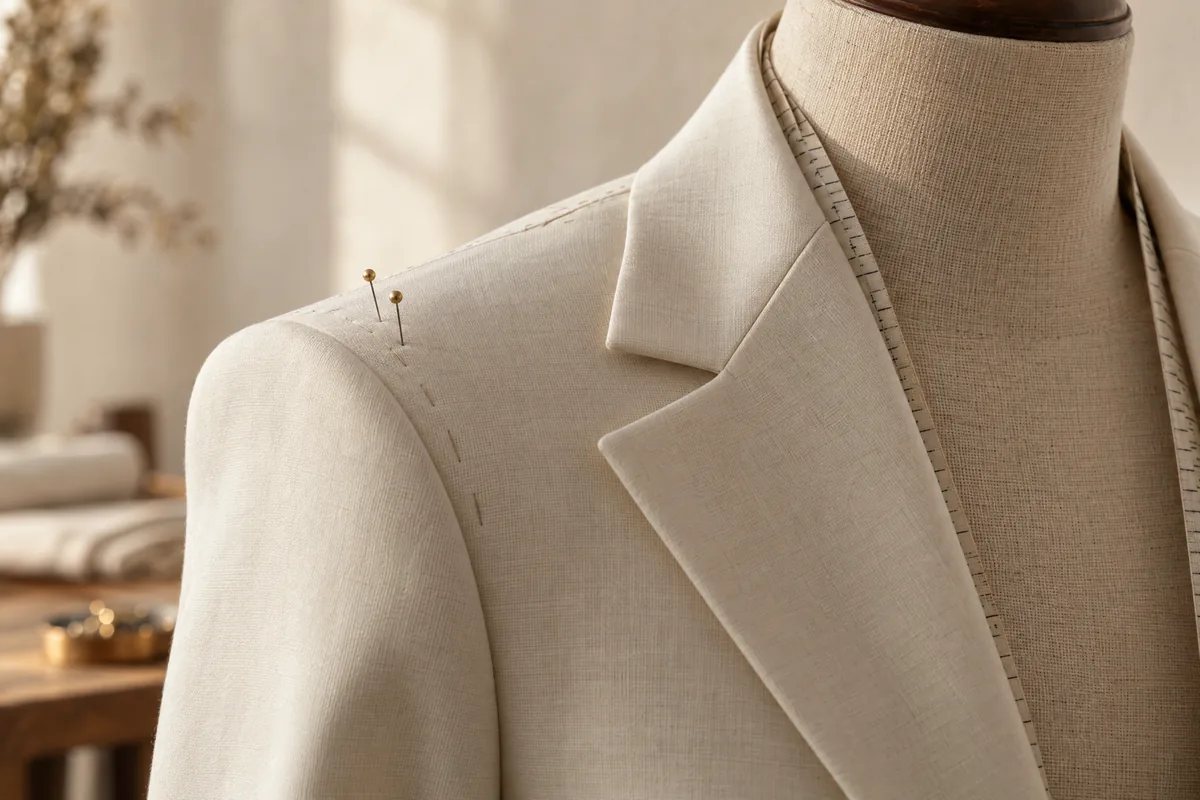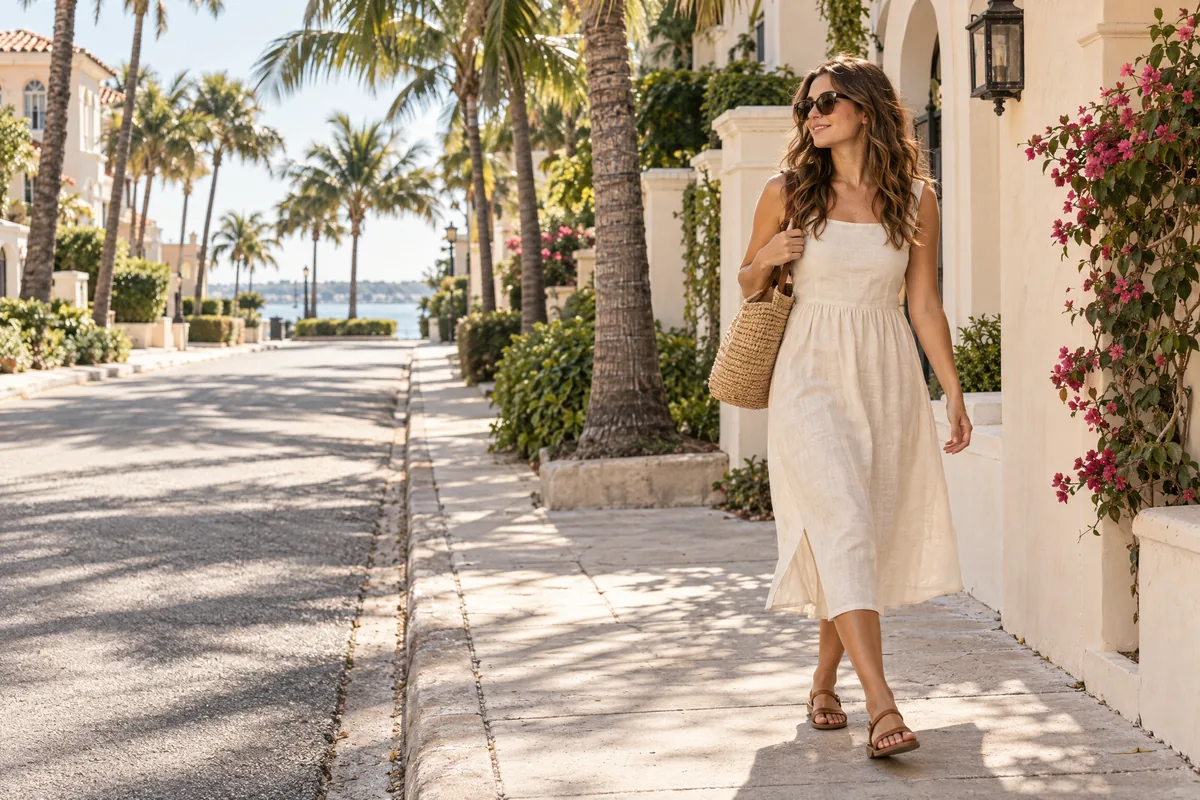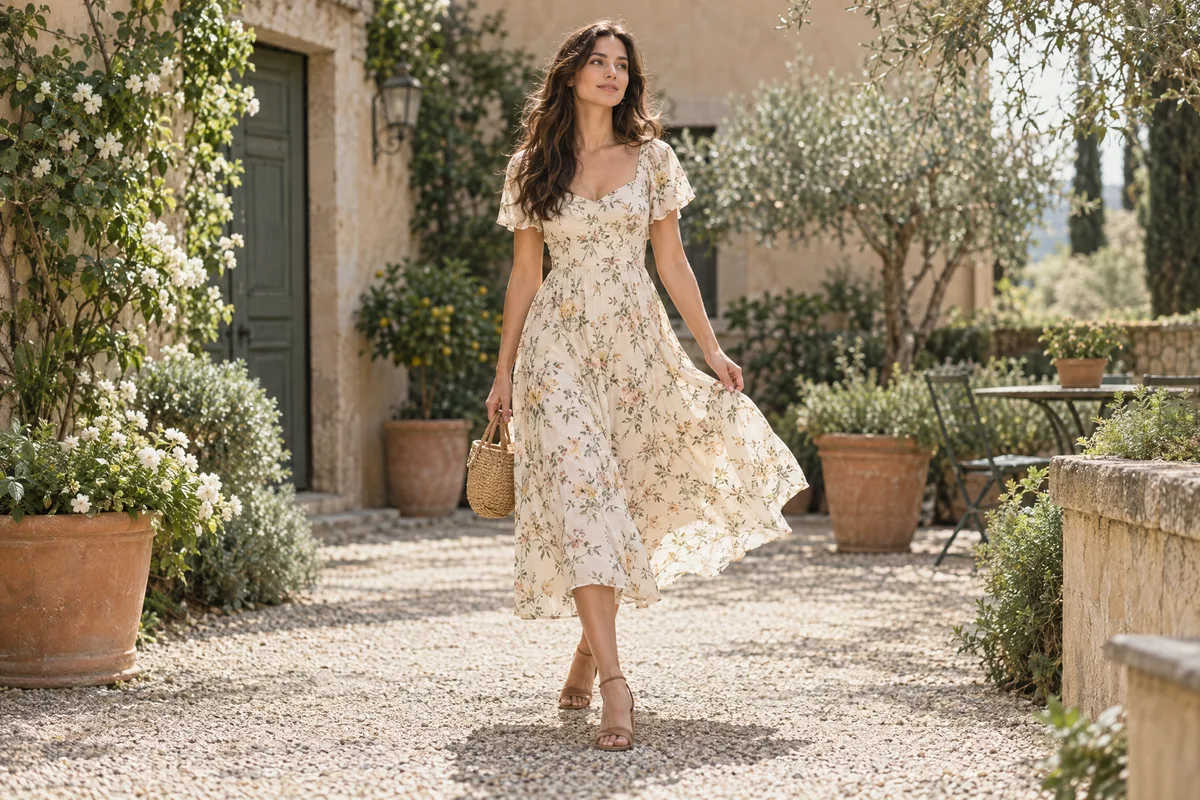
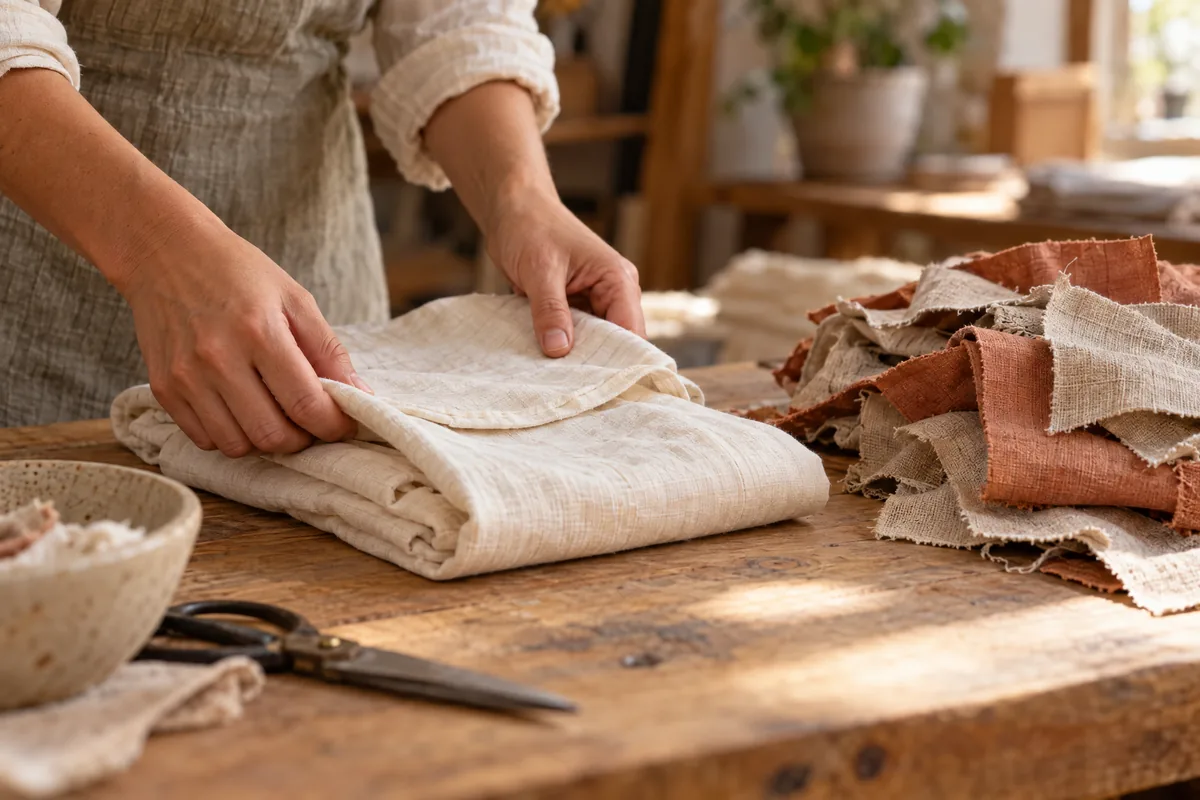
Why sustainable fashion matters comes down to a simple idea: the clothes we choose should add value to our lives without asking us to ignore their wider impact. Fashion can be joyful, expressive, and confidence-building, but it also asks us to consider how often we buy, how long we wear something, and what happens when it no longer fits our lives.
This is not an argument for a colorless closet or a set of impossible rules. It is an invitation to shop with more intention, choose pieces that earn their place, and care for what you already own. A thoughtfully chosen dress, jacket, or pair of jeans can become part of your personal style story rather than a one-week impulse.
At Pieces of a Dream, we believe getting dressed should feel good in every sense. The most useful version of sustainability is practical: buy less often when you can, choose with care, and make room for clothing that feels like you.
Why Sustainable Fashion Matters Beyond the Label
Why sustainable fashion matters is bigger than a tag, a trend word, or one supposedly perfect purchase. It is about shifting attention from the quick rush of buying to the lasting satisfaction of wearing. When a piece works with your routine, fits comfortably, and still feels like your style months later, it has real value.
The fashion industry moves quickly, encouraging the idea that a new look is always the answer. The slow fashion movement offers a calmer alternative: fewer pieces, more repeat wear, and decisions guided by versatility instead of urgency. That approach does not mean never shopping; it means giving each purchase a job in your closet.
Start by asking whether an item can be worn in at least three distinct ways or on several kinds of days. A polished option from our dress collection, for example, may be styled with sneakers for daytime, layered for work, or dressed up for an evening out. The more ways you can honestly picture wearing it, the more likely it is to become a favorite.
- Pause for one day before buying a piece that is not filling a clear wardrobe need.
- Choose a silhouette you already know makes you feel comfortable and confident.
- Check whether the color works with at least three items you already own.
- Prioritize pieces you can wear across more than one season.
- Keep a short note on your phone of true wardrobe gaps, so you shop with purpose.
The Environmental Case for Wearing Clothes Longer
Clothing takes resources to create, move, wash, and eventually discard, which is one reason why sustainable fashion matters in everyday life. Extending the useful life of what we own can reduce the pressure to continually replace garments before they have delivered their full value. The most sustainable item is not always the oldest item in your closet; it is often the one you will genuinely keep wearing and caring for.
A longer-lasting wardrobe begins with realistic choices. Look at fabric feel, construction details, lining, closures, and whether the fit allows you to move through a normal day. No garment is indestructible, but buying something you will reach for repeatedly is more meaningful than buying for a single photo or occasion.
Care is part of the equation, too. Washing only when needed, following the care label, air-drying when appropriate, and making small repairs can help preserve color, shape, and texture. Denim is a strong example: a well-loved pair from our jeans and denim collection often becomes more personal with wear, especially when it is cared for instead of constantly replaced.
It also helps to separate novelty from need. A fresh accessory can restyle familiar outfits without requiring a complete wardrobe reset, while a thoughtfully selected layer can take summer favorites into cooler weather. Sustainable wardrobe habits work best when they make getting dressed easier, not more restrictive.
Ethical Clothing Shopping Starts With Better Questions
Ethical clothing shopping is often presented as a complicated research project, but it can start with straightforward, honest questions. Do I need this? Will I wear it often? Does the quality feel aligned with how I plan to use it? Am I buying it because I love it, or because I feel pressured to keep up?
Those questions matter because our purchases are votes for the kind of fashion relationship we want. Why sustainable fashion matters is partly about moving away from disposable thinking, where clothing is treated as temporary entertainment. A considered purchase gives you more space to appreciate your style instead of constantly chasing the next thing.
It is also worth remembering that responsible shopping includes your budget, your lifestyle, and your existing closet. You do not need to replace everything at once or discard pieces you already own. Wear what serves you, repair what can be repaired, donate or pass along usable items thoughtfully, and let future purchases be more intentional.
When you do shop, focus on the details that affect repeat wear: ease of styling, comfort through a full day, and a fit that makes you want to reach for the item again. A versatile blouse from our tops and blouses collection can be a better addition than several pieces that only work with one specific outfit.
- Ask yourself where and when you will wear an item before adding it to your cart.
- Try to name three existing pieces that will style well with a potential purchase.
- Choose comfort as a quality signal, because uncomfortable clothing is rarely worn often.
- Save inspiration for a week and notice which looks still feel true to your personal style.
- Consider tailoring or repairing a favorite before replacing it with a similar item.
How to Build Sustainable Wardrobe Habits That Last
Sustainable wardrobe habits are built through repetition, not a dramatic closet overhaul. Begin with a clear view of what you own: the pieces you wear constantly, the pieces that need attention, and the pieces that no longer feel like you. This makes it easier to spot actual gaps instead of buying duplicates in a different shade.
Create a small rotation of dependable foundations, then let personality come through in color, texture, jewelry, footwear, and layers. A great wardrobe does not have to be minimal; it has to be usable. The goal is to make more outfits from the pieces you already love, not to force yourself into someone else’s definition of a capsule closet.
Why sustainable fashion matters becomes visible when your wardrobe supports real life. If you can get dressed for work, weekend plans, travel, dinner, or a casual errand without panic-buying something new, your closet is doing its job. Keep a running list of outfit combinations that work, especially for events or busy mornings.
Outerwear deserves special attention because it can change the feel of an entire look. A layer you love can refresh familiar basics and encourage more repeat wear, so explore shapes that suit your life in our outerwear and jackets collection. The right finishing piece often makes your existing wardrobe feel newly useful.
- Schedule a seasonal closet review instead of purging items every time you feel bored.
- Store off-season clothing cleanly and thoughtfully to protect it between wears.
- Keep a small repair kit for loose buttons, minor snags, and simple fixes.
- Photograph outfits you love so you can recreate them without buying something new.
- Use accessories to change the mood of repeat outfits before searching for a replacement garment.
Why Sustainable Fashion Matters When You Shop for Yourself
Why sustainable fashion matters when you are shopping is that it puts your own satisfaction back at the center of the decision. Rather than buying because an item is everywhere or because a trend has a short deadline, you can choose based on how a piece fits your identity and everyday needs. That is a more enduring definition of style.
The slow fashion movement is not about dressing cautiously or avoiding fun. It is about giving yourself permission to have standards: standards for fit, for versatility, for comfort, and for the feeling a piece gives you when you put it on. A wardrobe with fewer regrets leaves more room for creativity.
Consider cost per wear as a mindset rather than a calculation you need to perfect. The piece you reach for dozens of times may offer more value than the one that looked exciting in the moment but stays unworn. Why sustainable fashion matters is that it encourages us to measure clothing by its role in our lives, not simply by the speed of the purchase.
Local shopping can also make the process more personal. Visiting Pieces of a Dream at 2448 Central Ave in St. Petersburg gives you the chance to see how something feels, consider its fit, and imagine how it works with your own wardrobe before taking it home.
- Shop with a short list, but stay open to one truly versatile piece you did not know you needed.
- Try on items with the kind of shoes or layers you would realistically wear with them.
- Choose an occasion-specific item only if you can picture wearing it again in a different setting.
- If you love a trend, interpret it through a silhouette or color you already wear well.
- Let an item go if you have to invent an entirely new version of yourself to justify it.
Progress, Not Perfection, Is the Most Stylish Approach
Sustainability can feel overwhelming when it is framed as an all-or-nothing test. It is more useful to think of it as a series of better choices made over time. Wear the clothing you have, care for the pieces that matter, and make your next purchase more thoughtful than the last.
Why sustainable fashion matters is not because every decision will be flawless. It matters because individual habits can reshape the way we relate to our closets: less panic, less wasteful repetition, and more appreciation for the clothes that help us feel like ourselves. Personal style becomes stronger when it is built with intention.
Make the process enjoyable. Restyle a favorite skirt, borrow inspiration from your own past outfits, or refresh a trusted look with something from our accessories collection. When fashion feels personal rather than disposable, thoughtful choices become easier to maintain.
Most importantly, do not wait until you have a perfect wardrobe to begin. The next time you shop, pause, picture the repeat wears, and choose what will genuinely serve you. That quiet confidence is at the heart of ethical clothing shopping and a wardrobe you can feel good about.
Where to go from here
Why sustainable fashion matters because it asks us to treat clothing as more than a temporary purchase. Choosing thoughtfully, wearing items longer, and caring for what we own can make our wardrobes more functional, more expressive, and more aligned with real life.
Start with one small habit: rewear a favorite look, repair a piece you miss, or choose your next addition with intention. Over time, those choices create a closet that feels distinctly yours—and works harder for you.