Learning how to choose the right dress for your body type is less about following restrictive rules and more about recognizing what helps you feel balanced, comfortable, and unmistakably yourself. A well-chosen dress can highlight a feature you love, create movement where you want it, and make getting dressed feel simpler.
Start with your proportions, then let personal style lead the way. Whether you prefer easy everyday pieces or occasion-ready polish, our dress collection is a helpful place to compare lengths, necklines, and shapes in one browse.
How to Choose the Right Dress for Your Body Type: Start With Proportions
The most useful way to think about how to choose the right dress for your body type is to look at your overall proportions rather than trying to fit yourself into a label. Notice where your shoulders, bust, waist, and hips sit in relation to one another. You may have a defined waist, softly rounded middle, straighter lines, fuller hips, broader shoulders, or a mix of all of these.
Stand in front of a mirror in close-fitting basics and look for the areas you want to emphasize, soften, lengthen, or balance. This is not a test you can fail; it is simply information that makes dress shopping more efficient. Your favorite dress may work because it defines your waist, skims your hips, brings attention upward, or creates a longer visual line.
As you practice how to choose the right dress for your body type, use your current closet as research. Pull out two dresses that make you feel great and compare their waist placement, skirt volume, neckline, sleeve length, and fabric. Repeating those details is more useful than relying on a body-type chart alone.
Remember that height, torso length, and personal comfort matter just as much as shape. A petite frame may prefer a higher waist seam or shorter hem, while a longer torso may appreciate a dropped waist or adjustable tie. The goal is a proportion that feels intentional when you move, sit, and see yourself from every angle.
- If you love your waist, look for wrap, belted, fit-and-flare, or seamed styles that define it.
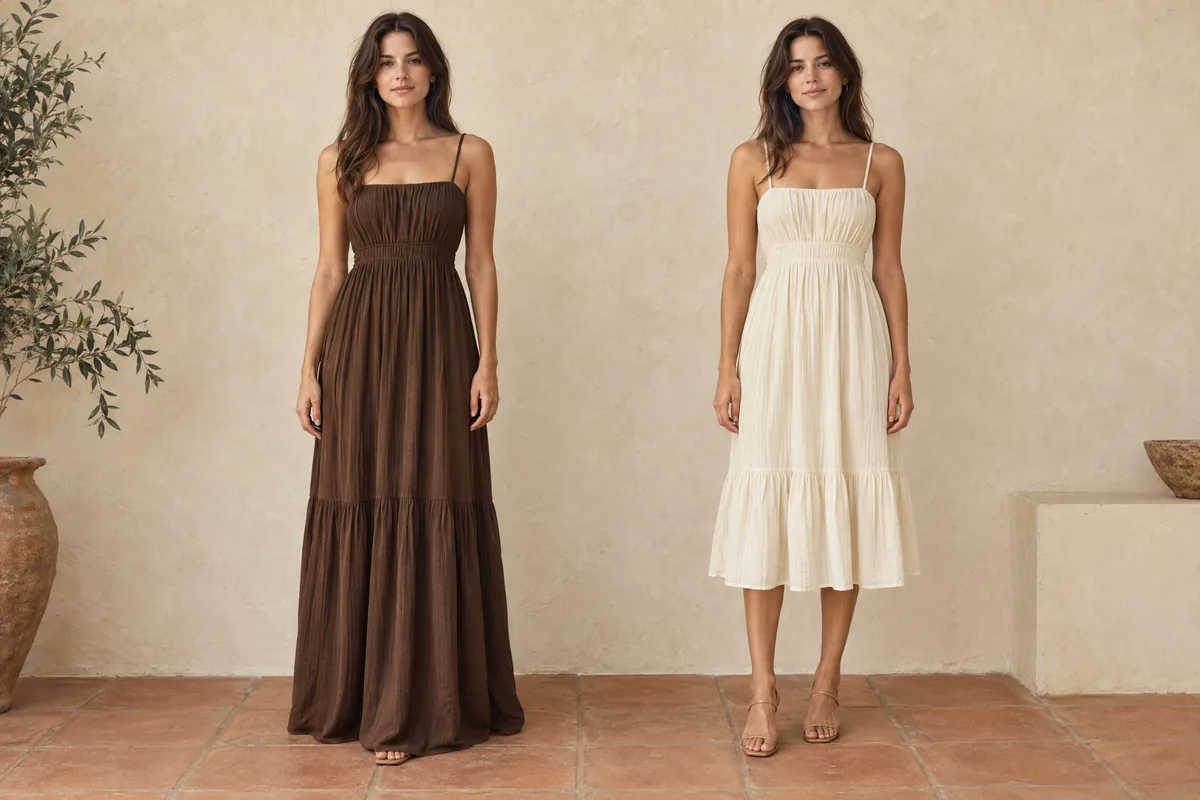
- If you want more length through the frame, try a column shape, vertical detail, or a hem that falls below the knee.
- If you prefer balance between shoulders and hips, consider A-line skirts or details that add gentle volume where you want it.
- If ease is your priority, choose a relaxed shift or shirt dress with enough room to sit and walk comfortably.
- If your proportions change from day to day, adjustable ties, elasticized waists, and softly draped fabrics offer flexibility.
Dress Silhouettes Explained: Find the Shape That Feels Natural
Understanding dress silhouettes explained in plain language makes it easier to shop with purpose. Silhouette is the outline a dress creates on the body, and it often has a bigger impact than color or print. Knowing a few core shapes gives you a quick filter when you are deciding how to choose the right dress for your body type.
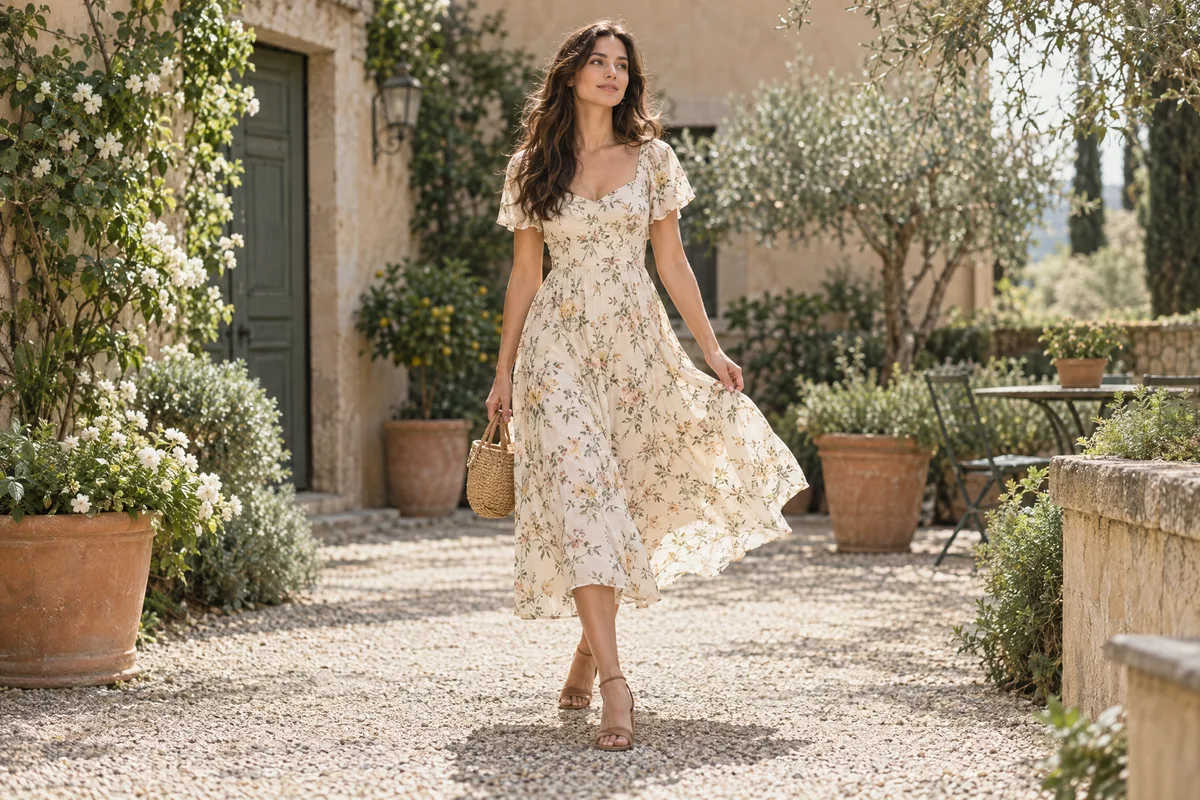
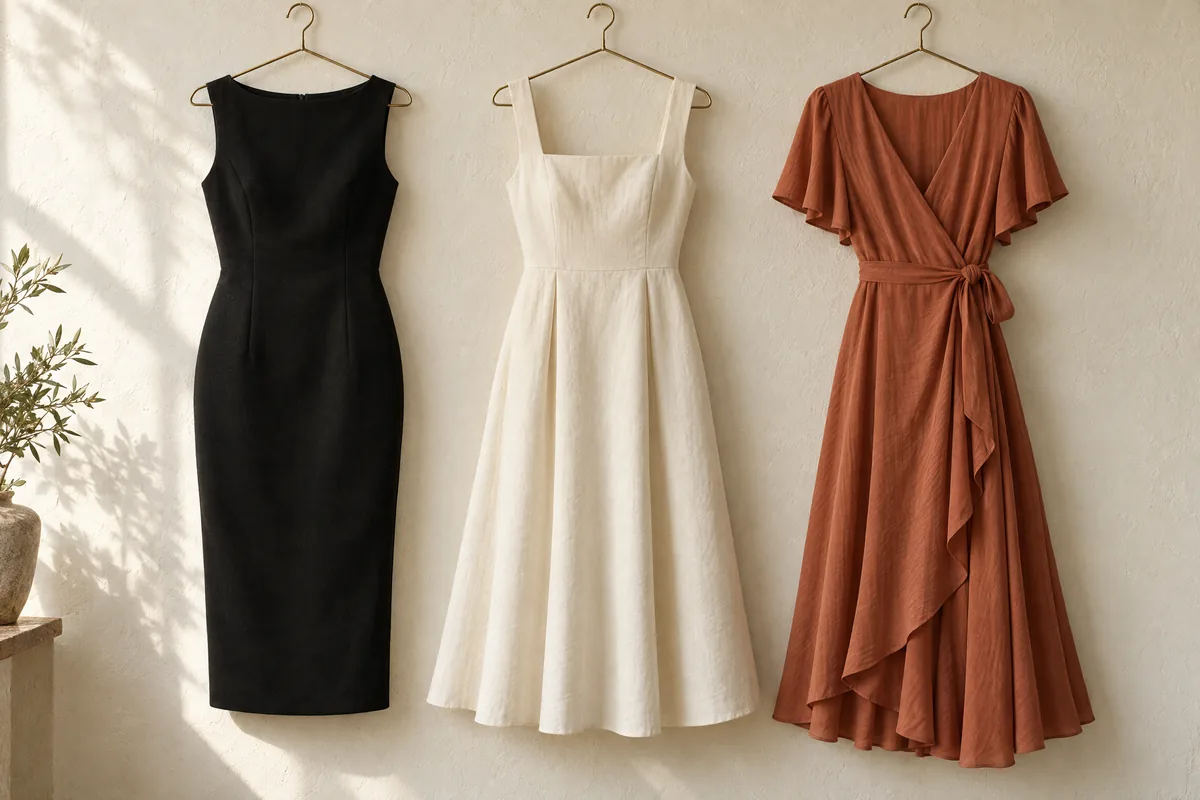
An A-line dress is fitted or shaped near the upper body and gradually widens toward the hem. It is a versatile choice when you want definition up top with room through the hips and thighs. Fit-and-flare dresses offer a more pronounced waist and a fuller skirt, making them a natural option for anyone who enjoys a feminine, balanced outline.
A sheath or column dress follows the body more closely with minimal skirt volume. These styles can create a long, clean line, especially when the fit skims rather than grips. A shift dress hangs more freely from the shoulders and is ideal when you want an easy, unfussy feel; add a belt if you decide you want more waist definition.
Wrap dresses cross over the front and usually tie at the waist, allowing you to adjust the fit while creating a diagonal line across the body. Shirt dresses bring a tailored, relaxed quality and can be worn loose or cinched. When learning how to choose the right dress for your body type, try at least two silhouettes you do not normally reach for; the mirror may surprise you.
- Choose an A-line dress for a gentle, versatile shape that gives the lower half room without looking oversized.
- Try a wrap dress when you want an adjustable waist and a neckline that can be styled to your comfort level.
- Reach for a shift dress when you prefer ease through the midsection and a modern, streamlined look.
- Consider a column dress for a sleek vertical line, especially with a longer hem or open neckline.
- Use a shirt dress as a flexible day-to-evening option by changing the belt, shoes, and jewelry.
Use Necklines, Sleeves, and Waist Placement to Direct the Eye
Once you know the basic shape, the smaller design details do important work. Necklines influence where the eye lands first: a V-neck or open scoop can create visual length, while a square neckline can frame the collarbone and bring structure to the upper body. Higher necklines feel polished and can be especially effective when paired with an open jacket or long necklace.
Sleeves change the balance of a dress more than many shoppers expect. Cap sleeves and puff sleeves add presence at the shoulder, while a flutter sleeve offers soft movement. A three-quarter sleeve often draws attention toward the narrower part of the arm, and a sleeveless cut can make the shoulder line a standout feature.
Waist placement is one of the smartest tools in how to choose the right dress for your body type. A natural waist seam emphasizes the narrowest part of the torso. An empire waist sits just below the bust and lets fabric flow over the midsection, while a dropped waist creates a straighter, more relaxed effect.
Do not overlook seams, buttons, pockets, and gathers. Vertical seams can elongate, diagonal draping adds movement, and strategically placed details can shift emphasis exactly where you want it. For contrast and coverage, layer a dress with pieces from our outerwear and jackets collection instead of abandoning a silhouette you otherwise love.
How to Choose the Right Dress for Your Body Type With Fabric and Fit
Fabric determines how a silhouette actually behaves on your body, which is why how to choose the right dress for your body type cannot be separated from feel and fit. Crisp cotton or poplin holds its shape and can create structure. Jersey and knit fabrics stretch and follow the body more closely, while chiffon-like or softly woven fabrics tend to float and drape.
If you want a dress to skim rather than cling, look for fabrics with enough weight to fall smoothly. If you want definition, choose materials that hold a waist seam, pleat, or tailored shoulder. Stretch can be comfortable, but too much stretch may make a dress ride up or lose the clean lines that caught your eye on the hanger.
Check fit in motion before making a decision. Raise your arms, take a few steps, sit down, and look at the back as well as the front. The shoulder seam should sit comfortably, the bust should not pull, and the waist should feel secure without digging in. A dress that needs constant adjusting is rarely the one you will reach for often.
For a complete try-on, bring the shoe height you are likely to wear and consider the undergarments the dress needs. A simple change in footwear from our shoes collection can alter the apparent length and posture of the entire outfit. These practical dress shopping tips help you judge the whole look, not just the fitting-room snapshot.
- Choose structured cotton or woven blends when you want seams, pleats, and tailored shapes to stay defined.
- Choose soft knits or jersey when comfort and easy movement are your top priorities.
- Check whether the fabric becomes sheer in daylight or pulls across the bust, hips, or back when you move.
- Make sure the hem feels right both standing and sitting, particularly for work, dinners, and events.
- Pay attention to lining, straps, and closures, because comfort at those points affects how confidently you wear the dress.
Build Flattering Dress Shapes Around Your Personal Style
The most flattering dress shapes are the ones that support your style, not the ones that erase it. If you love bold color, a simple silhouette can let the shade take center stage. If prints and texture are your thing, choose a shape with clean lines so the details feel intentional rather than overwhelming.
Think about the occasion and the way you want to feel. A fitted midi may feel confident for dinner, while a relaxed shirt dress may be your best choice for a busy afternoon. Learning how to choose the right dress for your body type includes matching a dress to your real life, because even a beautiful piece is not useful if it stays in the closet.
Accessories can shift the proportions of the same dress without changing its basic fit. A belt can create or sharpen a waist, a longer necklace can add a vertical line, and earrings can bring attention toward your face. Explore our accessories when you want to make one dependable dress work in several ways.
Layering gives you even more range. A cropped jacket can visually raise the waist, while a longer open layer can lengthen the overall line. If dresses are not your only route to a pulled-together outfit, a coordinated option from our jumpsuits and sets collection can offer the same one-and-done ease with a different silhouette.
How to Choose the Right Dress for Your Body Type: A Better Shopping Routine
A focused routine turns how to choose the right dress for your body type into a quick, low-pressure process. Begin with one purpose: perhaps you need an easy daytime dress, a piece for a celebration, or a versatile option you can layer. Then choose two or three silhouettes that fit your preferences instead of trying on everything at once.
Take several sizes into the fitting room when available, because the number on the tag is not a measure of style or success. Different cuts fit differently, and the right size is the one that lets the dress lie smoothly and move comfortably. If a dress is close but not quite right, ask yourself whether a simple alteration would solve the issue or whether another cut would serve you better.
Use photos thoughtfully. A front-facing photo can reveal hem balance and overall proportion, but check your natural posture in the mirror, too. The best dress should feel good when you are walking, laughing, reaching for a bag, and spending time with people—not only when you are standing still.
For a more personal shopping day, visit Pieces of a Dream at 2448 Central Ave, St Petersburg, FL 33712, or browse new arrivals when you want fresh options to try. Keep the dress shopping tips that work for you, and let go of every rule that does not.
- Start each shopping trip with a specific need, such as a casual day dress, a work-ready style, or an event option.
- Try dresses with the shoes and layers you expect to wear so you can judge the full proportion.
- Take a short walk and sit down before deciding, since comfort is part of a flattering fit.
- Compare at least two sizes when possible and choose the fit that feels best across the shoulders, bust, and hips.
- Save notes or photos of silhouettes that work well so future dress shopping becomes faster and more confident.
Where to go from here
Knowing how to choose the right dress for your body type gives you a practical starting point, not a rigid set of limits. Focus on proportions, fabric, movement, and the details that make you feel most like yourself.
The right dress is one you can wear with comfort and confidence. Try different silhouettes, trust what you see and feel, and build a wardrobe around the shapes you genuinely enjoy.